The nutrients that plants need in order to grow are the same nutrients that industry experts assert can be derived from the gypsum byproduct produced from coal-fired power stations. Gypsum has proven to have a wide variety of uses including being used to make drywall, cement filler, plaster of Paris, and even as a means of thickening tofu.
Gypsum can be found naturally all over the world in massive deposits, in places like the U.S., China and Iran. However, mining isn’t always practical, or economically viable. Densely populated countries like India, Vietnam, and China have been using the method of flue-gas desulfurization for years to remove sulfur dioxide and create what is commonly known as FGD gypsum. This gypsum is considered synthetic, but is almost identical to the material being mined throughout the world.
Mined Gypsum and FGD Gypsum particles alike are consistent in their small size and ability to react in chemical and non-chemical reactions. Power stations that have not found a use for the byproducts created through the burning of coal such as fly ash, bottom ash, gypsum and more, are regrettably land-filled, costing companies money, time and energy to maintain these sites, and wasting land that could be put to better use.
FGD Gypsum has been determined safe for agricultural use through many studies, confirmed worldwide. The next step in this process is adaptation. Join us at Coal Ash Asia 2019, August 22-24, in Youyu County, Shanxi Province, China, to discuss utilization and applications for FGD Gypsum and other highly useful byproducts from coal-fired power stations.
To learn more click below:
Coal Ash Asia 2019]]>It is with great excitement that we announce the dates of Coal Ash Asia 2019!
This year’s prestigious coal ash industry conference will take place August 22-24, 2019, in Youyu, Shanxi Province, China. Once again the amazing support from the Shuozhou Government and the Institute for Technical Information for the Building Materials Industry in Beijing, have made it possible to invite international participation, research, and technology to CAA2019. Attendees have access to three days of oral presentations, trade exhibition, poster exhibition, as well as off site tours that include unique access to local coal ash utilization projects, and local cultural sites and scenic tours.
Included in the international attendee package is all domestic transportation, meals from the evening of August 21st to the afternoon of August 25th, access to all conference components listed above, a copy of conference materials including the official CAA2019 handbook, and follow up services provided by AsianCAA and their sponsors.
Check out this year’s tracks:
Coal Ash Processing and High Value Utilization
· Grinding, Classifying and Superfine grinding
· Cement, Concrete, Wall Materials and Geopolymer
· High Value Utilizations: Ceramics, Cenospheres, Fillers
· Sulphoaluminate cement CalciumSulphoAluminate
FGD Gypsum Utilization
· Gypsum drying and Calcination
· Construction Applications: gypsum block, board, mortar
· Agricultural applications
· High Strength Gypsum, etc
Coal Gangue and Coal Chemical Residue
· Processing and Utilization
Metal Extraction
· Alumina and other metal extraction best practices and methods
As with every year, there will be multiple networking opportunities. AsianCAA will have a Business/Academic Matching Sponsor dedicated to helping our attendees get in touch with other industry professionals and facilitate introductions/ translation. Cocktail hours, and tea breaks in the exhibition hall allow for a natural meeting place for industry professionals.
We are now accepting applications for international speakers, sponsors and exhibitors.
To find out more about:
Speaking Position: http://www.asiancoalash.org/postersandpapers
Click hereSponsorship Opportunities:
Sponsorship GuideExhibitor Information: http://www.asiancoalash.org/exhibitors
Register Now! http://www.asiancoalash.org/caa-registration
Looking forward to welcoming you at Coal Ash Asia 2019!
]]>Northeastern University is a public university in Shenyang, Liaoning Province with strengths in engineering and architecture. It is known for its prominent role in the information technology industry. Professor Shi Peiyang and the team from Northwestern University’s School of Metallurgy joined over 700 industry leaders at last year’s Coal Ash Asia conference and exhibition. Asian Coal Ash Association and the Institute for Technical Information for the Building Materials Industry hosted the annual event in Shuozhou City, China, last September. Below is an abstract from Prof. Shi Peiyang focusing on reducing air pollution from coal-fired power stations. Click below the abstract to discover more of his research.
The Key Technologies for Cleaning and Recycling Utilization of Desulfurized Flue Gas By-products
Abstract: Desulfurization ash is one of the by-products of dry lime flue gas desulphurization of sintering process in steel company. The utilization of the desulfurization ash is a challenge since it contains calcium sulfite, chloride-bearing phases and carbon. With rapid development of steel industry and more stringent requirement of environment supervision, reasonable treatment of desulphurized ash has become a key problem for the sustainable development of dry lime flue gas desulfurization. Therefore, realizing the comprehensive utilization of desulphurization ash plays an important role in promoting the dry flue gas desulphurization technology, and has important practical significance for the governance of haze problem. In this work, the desulfurization ash was used as a raw material for the preparation of calcium sulfate whisker via hydrothermal method. The effects of process parameters on the growth behavior of calcium sulfate whiskers were experimentally investigated, and the dissolution behavior of calcium sulfate in aqueous solution was studied. The molecular dynamics method was applied to simulate the growth habit of calcium sulfate crystal. Based on this, the modification mechanism of calcium sulfate whisker was deeply analyzed. Furthermore, the effects of the calcium sulfate whiskers before and after modification on the performance of rubber, asphalt and ceramic for centrifugal pump was characterized.
More Research]]>The Department of Industrial Safety and Environment at the Ministry of Industry and Trade is currently addressing the country’s need to maximize the use of coal fly ash from local coal fired power stations. Deputy Director, Phạm Trọng Thực confirms that the two main issues of last year were the production of fly ash from thermal power plants and chemical fertilizer plants.
Vietnamese power stations produce about thirteen million tonnes of fly ash and plaster per year, 65% of which comes from power generators in the north. At the moment, according to the Ministry of Industry and Trade (MOIT), only 38.9% is being used as a raw material. The primary product utilizing coal fly ash in Viet Nam is gypsum boarding, used in civil construction.
The progressive policies for using coal ash from power plants and fertilizer plants to manufacture building material products have been enacted since 2014 nation wide. The goal of these initiatives was to help solve the big issue of disposal, and aid construction costs by offering a cheap alternative to sand and other filler aggregates.
VINACHEM (Việt Nam Chemical Group) is a good example of a company taking full advantage of these environmental regulations aimed at reducing landfilling of coal fly ash. Cooperating with a local gypsum company, the group is able to produce 750,000 tonnes of cement per year, using coal ash as its base additive. The group has also recently expanded, building another cement plant that aims to produce 600,000 tonnes per year, with the same coal ash additive.
However, delay in industry adaptation has been linked to concerns with the problems associated with the use coal fly ash in construction materials. Taxing, as well as proper handling and utilization practices are among top concerns of manufacturers and legislators. MOIT has executed their newest initiative for safe handling and sourcing by reducing the importation of gypsum, as well as monitoring the exploitation of natural gypsum in the country. The MOIT will continue to work with the Việt Nam Chemical Group and other organizations like it to develop quality assurance criteria for construction projects and production of materials used in construction.
]]>The annual Coaltrans India event will take place this February 18-20, at the Taj Palace Hotel in New Delhi, India. Coaltrans events are very well established in the region, with 18 years of proceedings with an annual attendance of approximately six hundred international industry professionals.
The coal industry in India has changed drastically in the past few years, which makes this conference key in bringing decision makers together to discuss changes and strategies. India has transformed from a net exporter to importer, changing the way business is done, and who controls the flow of resources. Demand for coal-fired power increases every year, making electricity increasingly expensive to consumers. The government is very supportive of import initiatives, however there is still considerable demand to be satisfied by outside sources. The largest contributors to India coal are Indonesia and the US (Click below to read about Indonesian coal trends from our last blog post). India entering the import business of coal will be a big topic at this year’s event.
Mr. David Harris, Chairman of the AsianCAA and industry leader with over 20 years experience in developing green technology, new materials and supply chain service companies will be in attendance alongside other members of the AsianCAA. The Association plans to be a meaningful contributor throughout Coaltrans proceedings. Mr. Harris will lead a talk and presentation regarding the logistics of import/export as well as new and interesting technologies surrounding processing and handling. This will be AsianCAA’s 4th visit to a Coaltrans event.
Join us at CoalTrans India Read more about Indonesia CoalThe growing need for power generation in Indonesia has PLN, an Indonesian government-owned corporation that has a monopoly on electricity distribution in Indonesia, vying to secure coal mines across the country. The 5 mines being considered will help support 40% of what is needed for the next 4 years, of PLN’s projected supply needs.
PLN (Perusahaan Listrik Negara) generates the majority of the country's electrical power, producing 176.4 TWh in 2015 alone. Last year, Indonesia’s power grid used up approximately 95 million tons of coal.
The projections according to Sofyan Basir, the President Director of PLN, is that the demand for coal will rise to 180 million tons per annum by 2023.
The mines currently being targeted for acquisition are in Southern part of Sumatra and Kalimantan, respectively. PLN is not disclosing how much the mines will cost all together, but that the two of the five mines they are looking to purchase, are being targeted for this year.
Due to controlled prices and abundant resources of coal in the region, PLN plans to increase its use of coal for power generation by over 8% (currently 50%, aiming at around 58.5%).
The buying of mines seems to be coming at a time where PLN is aiming to position themselves firmly as the lead energy providers for Indonesia. Currently, the mines owned by PLN contribute only 10% of the coal used in their coal fired power stations every year.
Basir asserts that the company is not concerned with whether there is a local power station near the coal supplies, as long as there is access, and reserves of minimum 100 million tons, the company is dedicated to building power stations wherever these supplies exist.
Ensuring coal supplies is crucial for the company and by extension the government that overseas operations. Heightened demand for supplies and limited access to resources could spell higher electricity prices for consumers. Current president Joko “Jokowi “ Widodo’s policies are in line with keeping electricity prices low, and keeping local coal local. The policy calls for keeping 25% of coal produced in Indonesia in the local market, with the price being capped at $70 per ton.
Only time will tell what this increase of coal utilisation in the Indonesian market will do for connected industries in coal ash utilisation. Indonesia’s landfilling and utilisation policies will have to adjust to make way for this massive increase in the use of coal.
]]>The Asian Coal Ash Association proudly welcomes its members and following industry leaders to view our 2018 Coal Ash Asia Handbook. Coal Ash Asia is China’s premier coal ash handling, processing and utilization information exchange forum. China’s role in the coal ash industry is crucial, as it maintains the top spot for most coal consumed by a populous per year. We hosted our international event in Shuozhou City, China, and welcomed top researchers and commercial enterprises to share and explore leading research and technology. Our tracks included:
Coal Ash Processing and High Value Utilization
Grinding, Classifying and Superfine grinding
Cement, Concrete, Wall Materials and Geopolymer
High Value Utilizations: Ceramics, Cenospheres, Fillers
Sulphoaluminate cement CalciumSulphoAluminate
2. FGD Gypsum Utilization
Gypsum drying and Calcination
Construction Applications: gypsum block, board, mortar
Agricultural applications
High Strength Gypsum, etc
3. Coal Gangue and Coal Chemical Residue
Processing and Utilization
4. Metal Extraction
Alumina and other metal extraction best practices and methods
Please click below to download our 2018 Coal Ash Asia Handbook, with research from China’s top researchers in coal ash.
2018 HandbookWant to join us in 2019? Register by clicking below!
Register for CAA2019]]>Vecor Limited is a company dedicated to green technology, operating in Hong Kong with business operations in Australia, India, Italy, and the Philippines. The most recent processing and manufacturing line was established in Zibo City, in the Shandong province of China. The goal of the factory in central China is keep the world's largest industrial solid waste out of the air, waterways and landfill. The project aims to use the supply of fly ash as an industrial grade mineral for high value industries such as plastics, paints and ceramics where fly ash would be replacing much more expensive raw materials than cement. Due to the well known logistical issues of exporting ash in high density, inland locations such as Zibo, many coal fired power stations continue to landfill their ash in record numbers.
Mr. Alex Koszo, Founder of Vecor and owner of the commercial solutions and patents invented by Vecor: “The Zibo factory is proving that the value of products made from recycled fly ash can be so high that they can profitably exported to any location in the world.”
This is big news for thermal power stations in rural areas in places like South Africa and India, who’s ash landfilling is becoming an issue both economically and environmentally.
The original inventions used by Vecor were conceived and patented by the University of New South Wales, Australia in 2002 & 2003.
Vecor's Systema Leonardo™, the technology being implemented in Zibo, China, enables thermal power stations to safely and comprehensively eliminate fly ash liabilities by allowing their fly ash to be converted into high value building products such as grey porcelain ceramic tiles for floor and wall coverings. Systema Leonardo™ also creates significant environmental and cost savings over traditional ceramic manufacturing processes, through water, energy and labor savings whilst complying with the highest international quality standards.
Vecor’s Systema Leonardo has successfully developed and commercially launched its industrial technology to extract industrial grade high quality minerals from coal ash that is usable by industries that produce 5-10 times valuable products than cement.
The positive indication of such technology for the power generation industry and higher value products manufacturers is significantly positive.
In the attached presentation, presented in the dual languages of English and Chinese, you can learn about the following
1. Systema Leonardo technology introduction
2. Value creation business model
3. Long-term highly profitable green business opportunities
4. China market size and coal ash by numbers
5. Details of offer to power stations to eliminate the financial and environment burden of
landfilling
6. Invitation to participate as investor
Vecor was present that CAA2018, in Shuozhou, Shanxi Province, China, this past September. In attendance were a strong delegation, including participation in international commercial MOI signing ceremony, for the Leonardo system. To read more about this research or other research from our September event, please request our CAA2018 handbook, with over 50 abstracts, by entering your email below.
If you would like to learn more about Vecor Limited operations, or to contact our members, please contact AsianCAA staff for more information.

Submit your email and we will send you download information for the official 2018 Handbook
]]>Two of China’s largest state owned electricity producers are currently awaiting state approval for one of the country’s largest utilities mergers in history. China Datang Corp. and China Huadian Corp. stand to form the largest power generator by capacity. Shares for both companies rose as news hit from inside sources at the beginning of the month. Datang’s listed unit Datang International Power Generation Co. rose as much as 5.6% on the Hong Kong stock exchange. Huadian subsidiary Huadian Power International Corp. added as much as 2.2%. China Datang Corp. Renewable Power Co. and Huadian Fuxin Energy Corp. both advanced 2%(Click below to check up on stock progression).
The China State Council will now decide if the merger will move forward and be finalized.
“To see this merger go through will be in line with current objectives China has to stay competitive globally by consolidating publicly owned enterprises within the same industry,” Amy Wu, Director at the Institute for Information Technology for the Building Materials Industry, and AsianCAA’s secretary general, in Beijing. “Many industries are moving towards getting rid of excess capacity, since the economic turmoil of 2015. Law makers are also pursuing legislation which lowers China’s dependence on coal, and focuses more on sustainable energy”.
The current largest generator in the world position belongs to China Energy Investment Corp, another State owned enterprise. The Datang-Huadian merger would stand to surpass the CEICs capacity by almost 60 gigawatts. The multi billion dollar deal will place Datang Huadian approximately 50 billion ahead of China’s current power generation powerhouse.
For now the companies, and the government, are keeping very hush, providing no comment on progress or status of the deal.
Click Below for Stock Info:
Datang International Power Generation Co.
Huadian Power International Corp.
]]>There are multiple applications for removing sulfur and certain emissions from exhaust flue gases of coal-fired power plants. Some examples are: Wet scrubbing using a slurry of alkaline sorbents, spray-dry scrubbing, wet sulfuric acid process recovering sulfur in the form of commercial quality sulfuric acid; and dry sorbent injection systems.
National Thermal Power Corporation Limited (NTPC) is tackling the first series of limestone gypsum FGD systems in the Indian Market. NTPC is India's largest energy conglomerate with roots going back to 1975. NTPC Ltd is an Indian Public Sector undertaking, engaged in the business of generation of electricity and allied activities. Some of the largest coal fired power stations in India are owned and operated by NTPC.
Mitsubishi Hitachi Power Systems (Japan) has received an order from NTPC to implement India’s first ever Limestone-Gypsum FGD System in India. There will be six systems installed, on top of the already functioning power generating facilities in Central and Northern India. Two of the installation will occur at the Mouda Facility, with a combined capacity of 1320MW. Other systems will be installed at Rihand plants two and three, with 2000 MW capacity total. The FGD system type that will be implemented at these facilities will be a dry spray desulfurizing scrubber system.
Mitsubishi Hitachi Power Systems is a conglomerate of Mitsubishi Heavy Industries, Ltd. (MHI) and Hitachi, Ltd. Since 2014, MHPS has been achieving goals in environmental technologies and project engineering across the globe.
Here is how MHPS is helping NTPC curb emissions of atmospheric pollutants by using off-gas cleanup systems and technologies:
1. The desulfurization absorbs sulfur oxides, and collects the generated gypsum by reacting limestone with SOx.
2. The open sprayer system sprays absorbent (limestone slurry) from above the compact flue gas scrubbing tower to absorb harmful SOx efficiently.
More than ever before, India is pursuing rigorous emission-fighting methods for every stage of the energy producing process, from cleaning coal, to processing and utilisation technologies post combustion. Since coal is still India’s top energy source, adding FGD type systems is actually becoming increasingly common. Only time will tell which technologies will aid India’s goals best and extend to industry wide practice.
NTPC Website MHPS Wesbite Rihand Power Station]]>Trung Hau Manufacturing Company (http://www.trunghau.com/english/index.html) would like to introduce our members to a new technology, which proposes to transform all landfill and excess fly ash being released from power thermal plants into useful materials (artificial sand - stones). This technology has the ability to work on most fly ash compositions. Please click on the video link to learn more about Trung Hau’s semi-dry geopolymer and how they create 100% industrial quality sand from fly ash.
The president of Trung Hau, Mr. Tran Nghia, and a strong delegation including Dr. Do Minh, were active participants at this year’s Coal Ash Asia 2018. Dr. Minh delivered an oral presentation and paper concerning his research on “Accelerating the Polymerization Process of Fly Ash By Microwave”. To read more about this research or other research from our September event, please request our CAA2018 handbook, with over 50 abstracts, by entering your email below.
If you would like to learn more about Trung Hau operations, or to contact our members, please contact AsianCAA staff for more information.
A big thank you to everyone who participated in our Coal Ash Asia 2018 proceedings in Shuozhou City, China, this past September 12-15th. This year's topics focused on the high-value utilization of fly ash, FGD gypsum and coal gangue as well as highlight applications in building material products (cement, concrete, geopolymers etc).
A special thank you to our international delegation (click organisation to visit website):
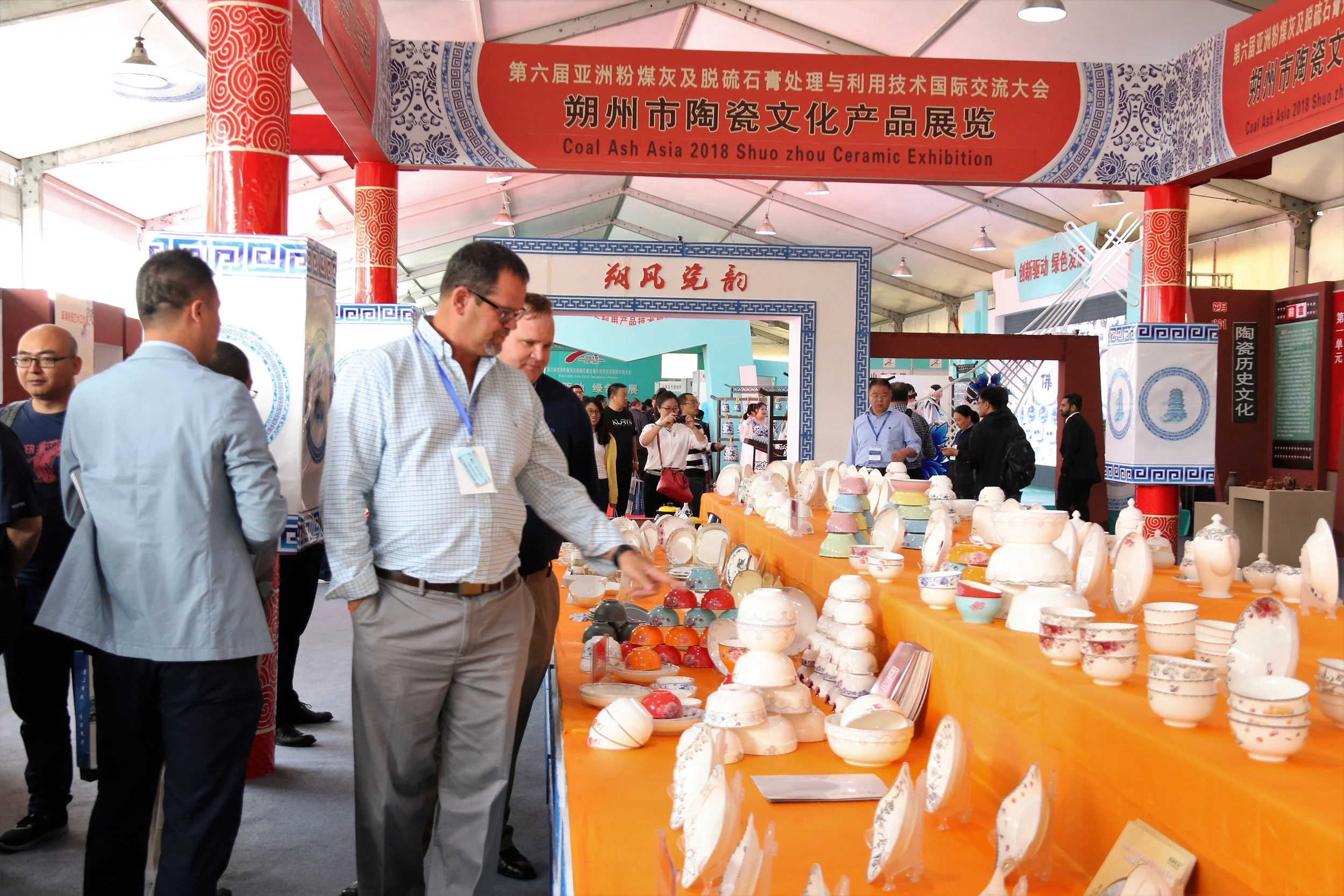
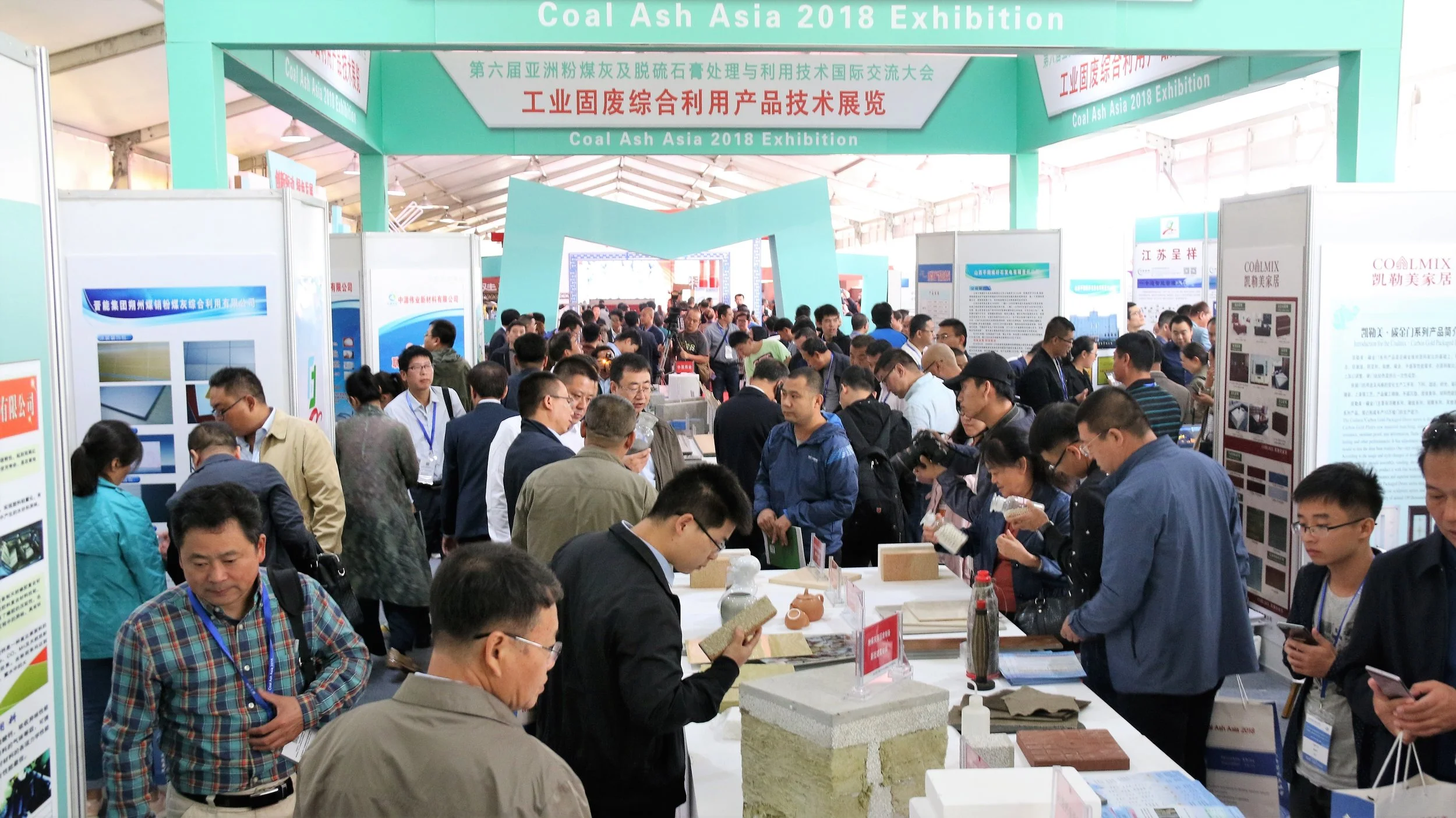
We would like to extend our humble gratitude to our friends at the China Building Materials Academy’s Institute of Technical Information for the Building Materials Industry, in Beijing. This year’s extension and construction of our annual products and services exhibition was our largest in Coal Ash Asia history, with over 50 exhibitors, and a welcome ceremony which included an orchestra playing on instruments made primarily from fly ash!
New to this year’s proceedings was our Technology Symposium track geared towards new technologies in fly ash, which included discussion on fly ash based aggregates, fillers, and ceramic tiles. Contributors to this track included: Prof. Chang Jiqing from Guangdong Penghu Industrial Co., Ltd., Zhang Jingjie from Shanxi Hujin Coal Electricity New Material Co., Ltd., Ma Liantao from Hengyuan Waste Utilization, and Peter Ma from Shandong Wei Tong Technology Co., Ltd.
Another new feature was our meeting dedicated to new FGD gypsum technologies. Content included alpha high strength gypsum and calcination methods. Contributors included: Prof. Duan Pengxuan from Guilin University of Technology, Prof. Xiang Lan from Tsinghua University, and Li Yushan from Shandong Pingyi Kaiyuan New Building Material Co., Ltd.
This year also welcomes esteemed contributor, Mr. Bill Martin, who led engaged attendees in his workshop, “Fly Ash Use in Road and Embankment Construction”. Here, Mr. Martin led the discussion for industry experts, who explained real-world projects of American and Australian fly-ash in road projects. Also discussed were new technology and applications in road engineering. Attendees were able to openly discuss and compare methods and approaches to road construction, and receive technical explanations as to the process of applying road and embankment technology from start to finish.
We are excited to announce upcoming events and association/research developments in the new year. Please sign up for our newsletter to stay in touch!
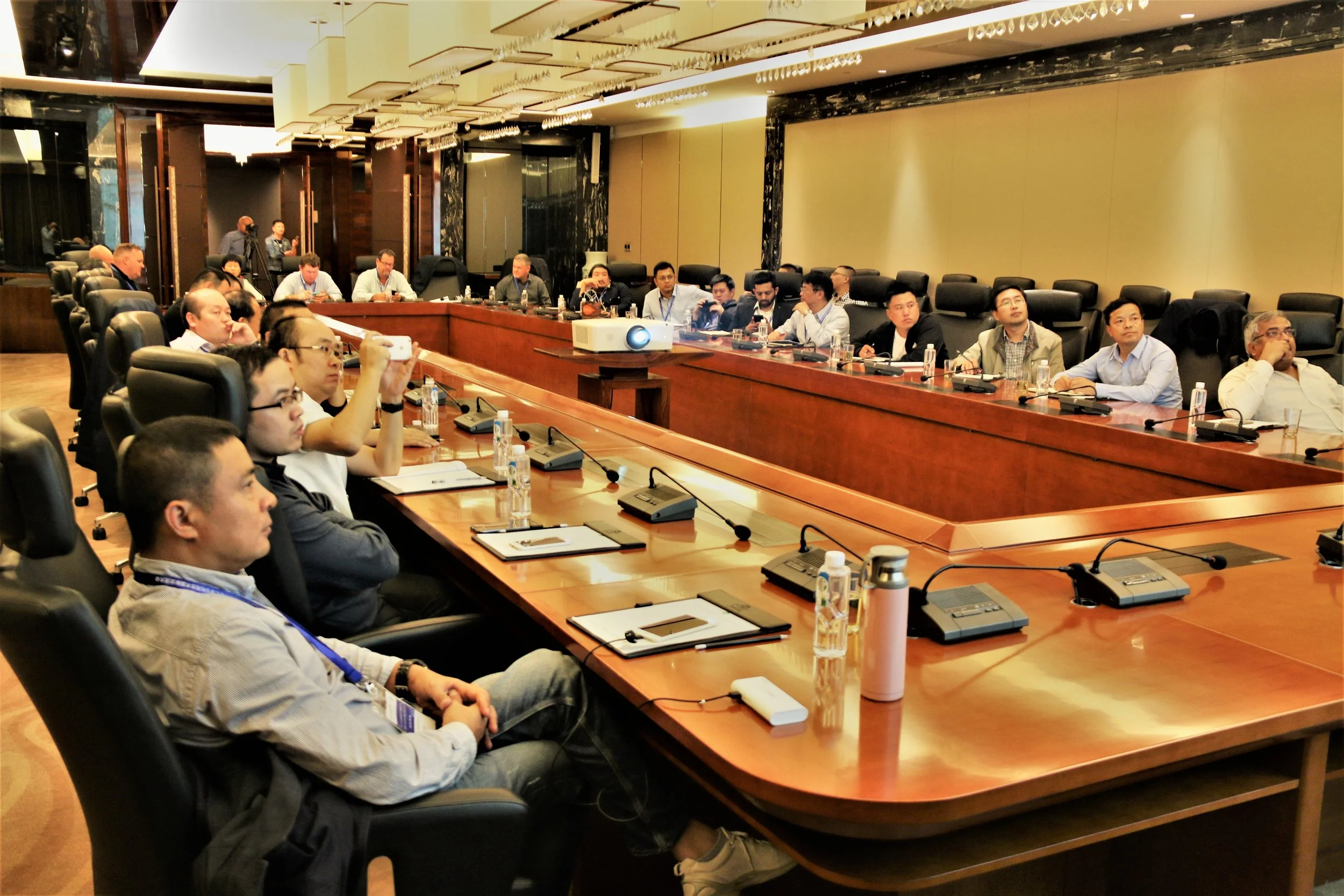
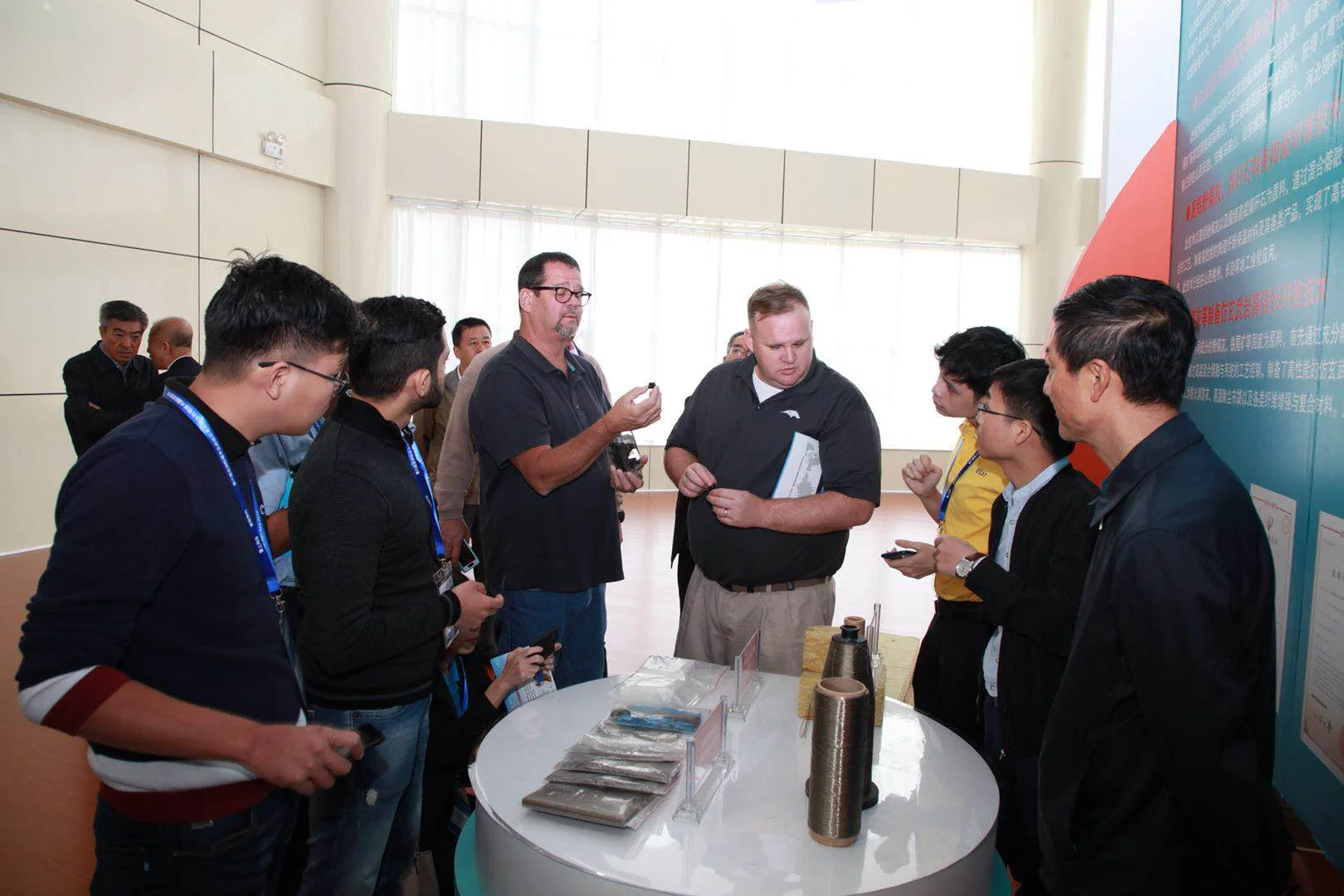
Here are a few pictures from CAA2018! An Album will be available under past events, in the coming weeks.
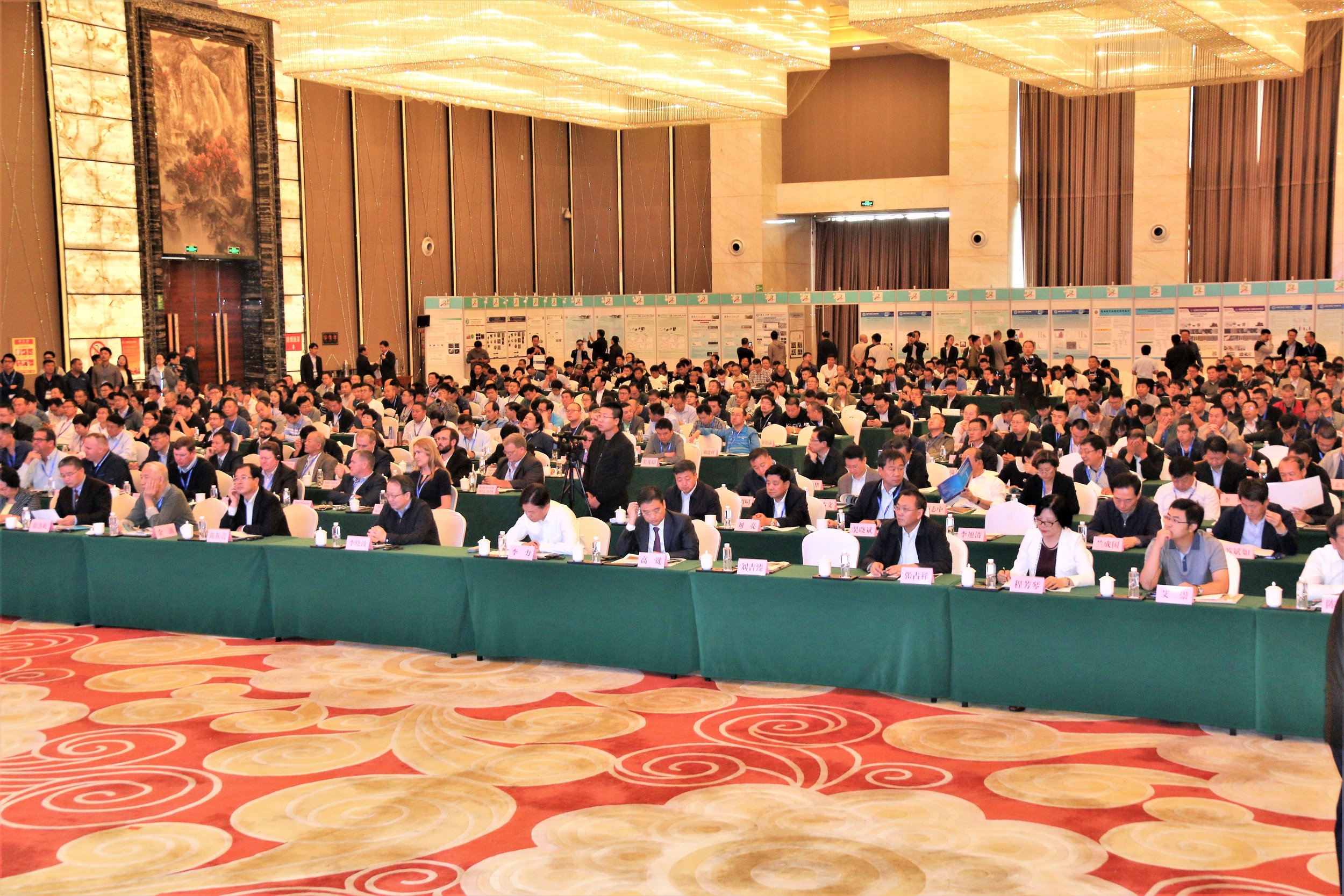
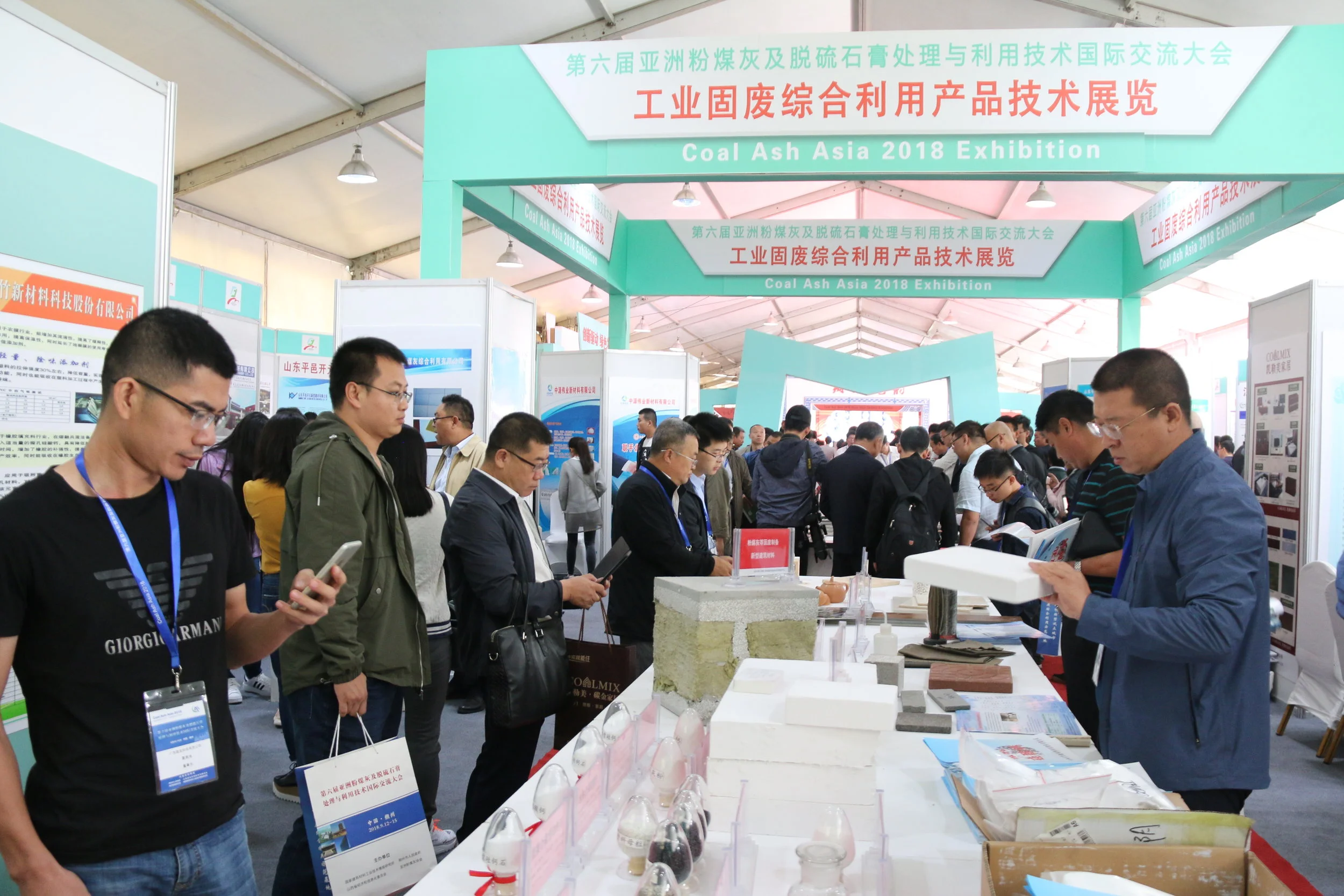
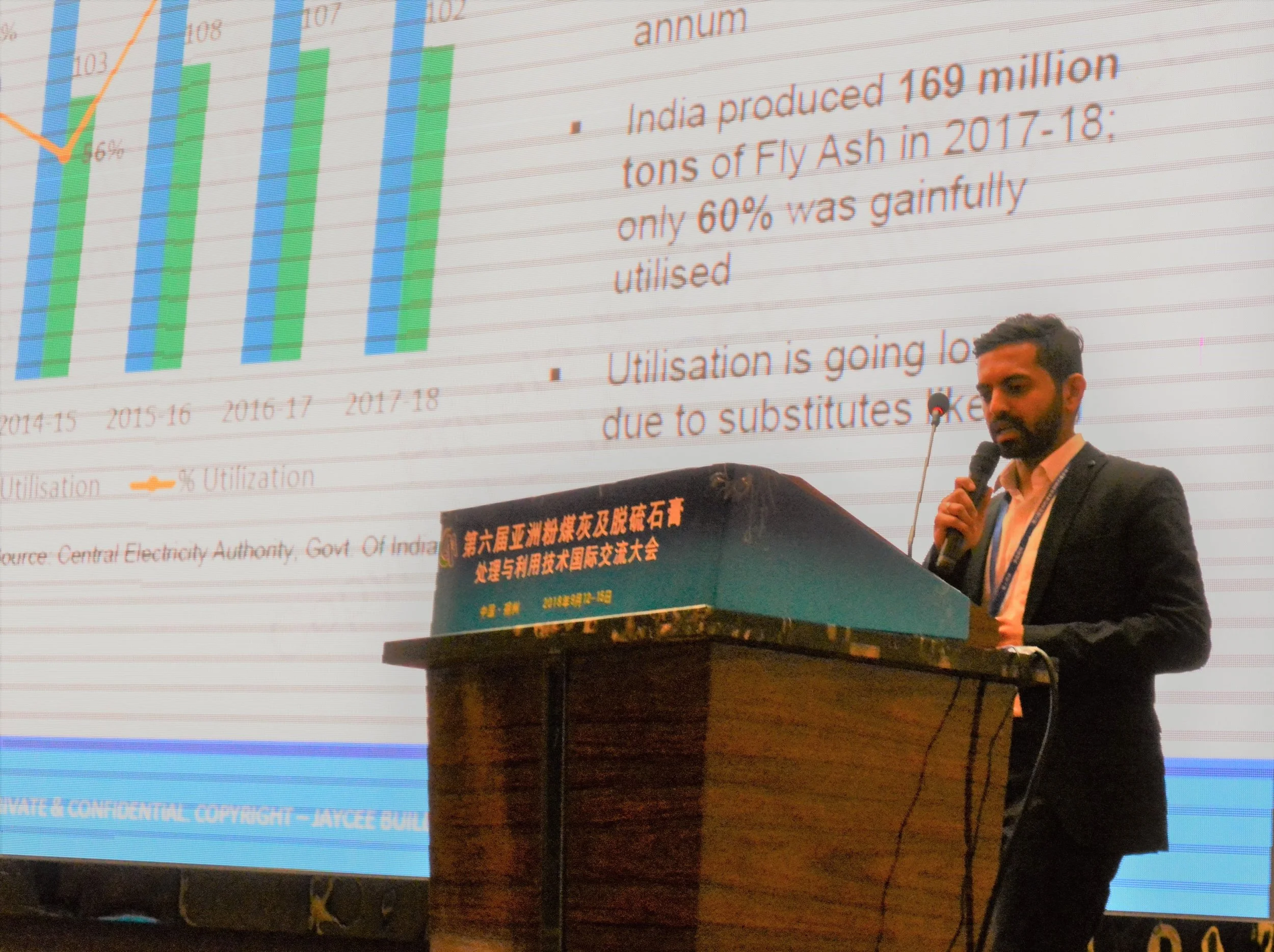

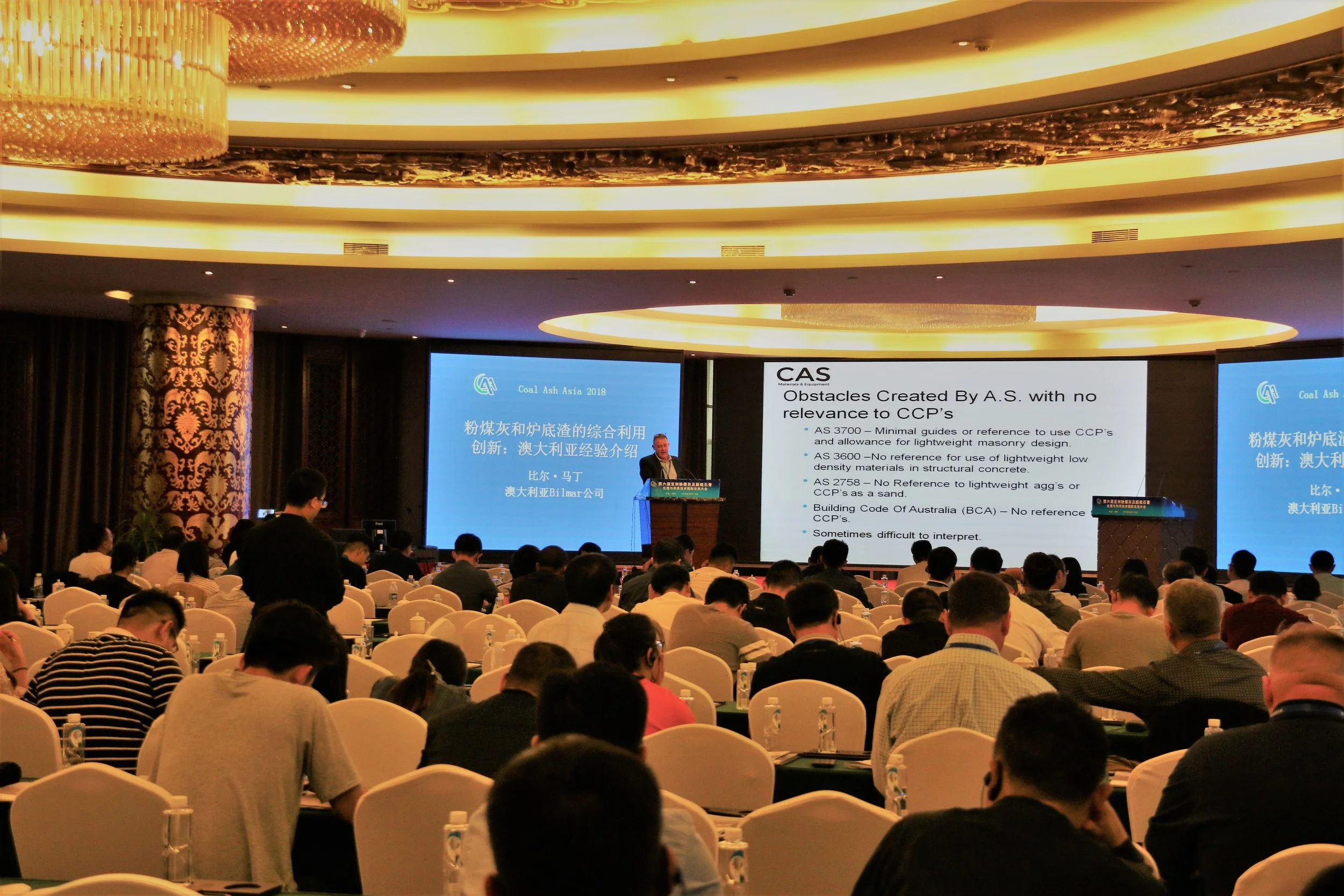
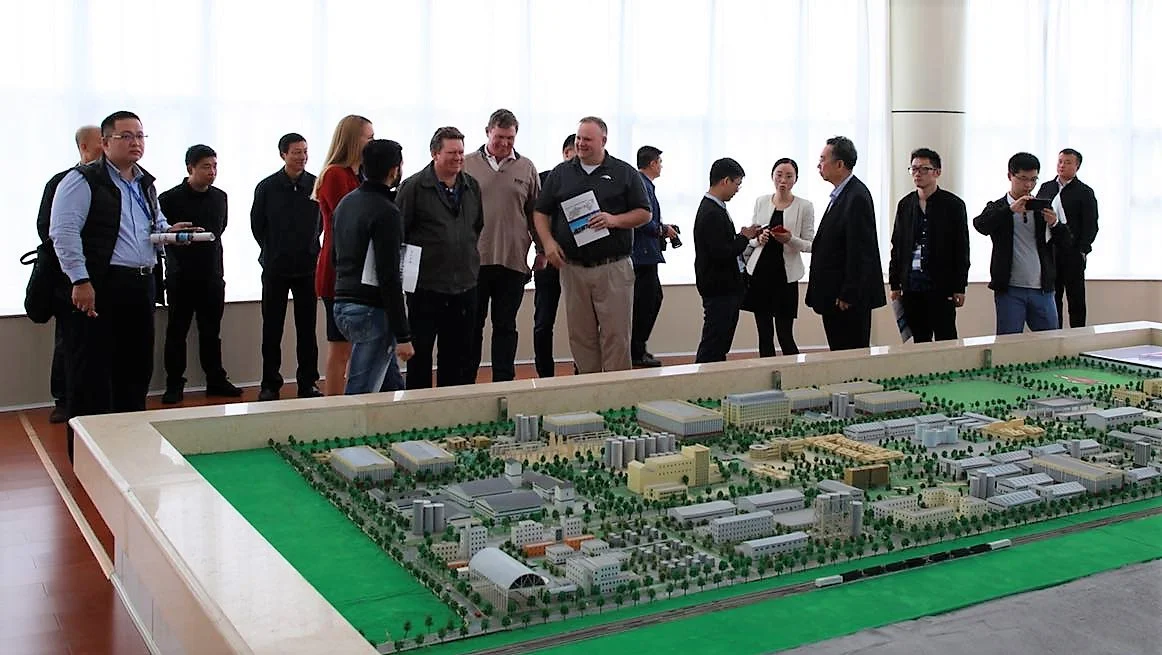
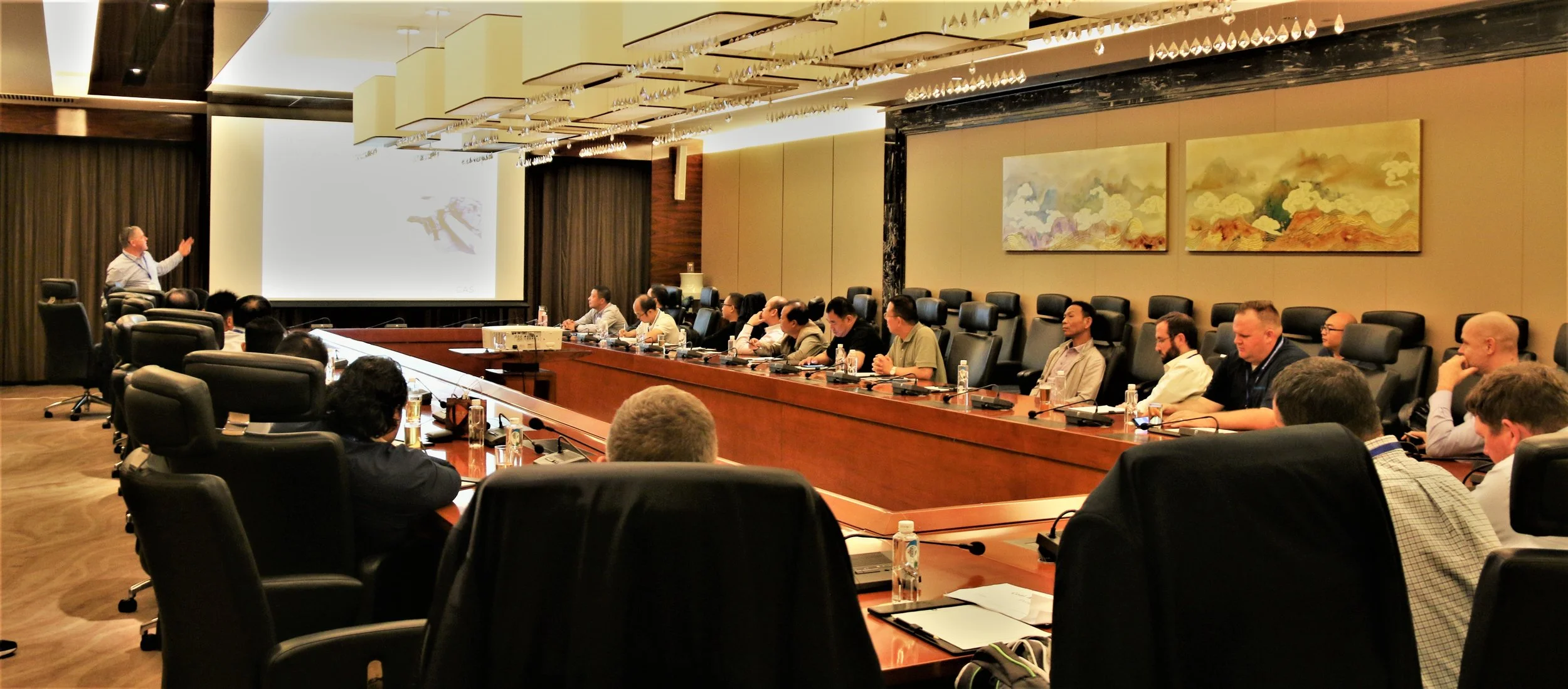
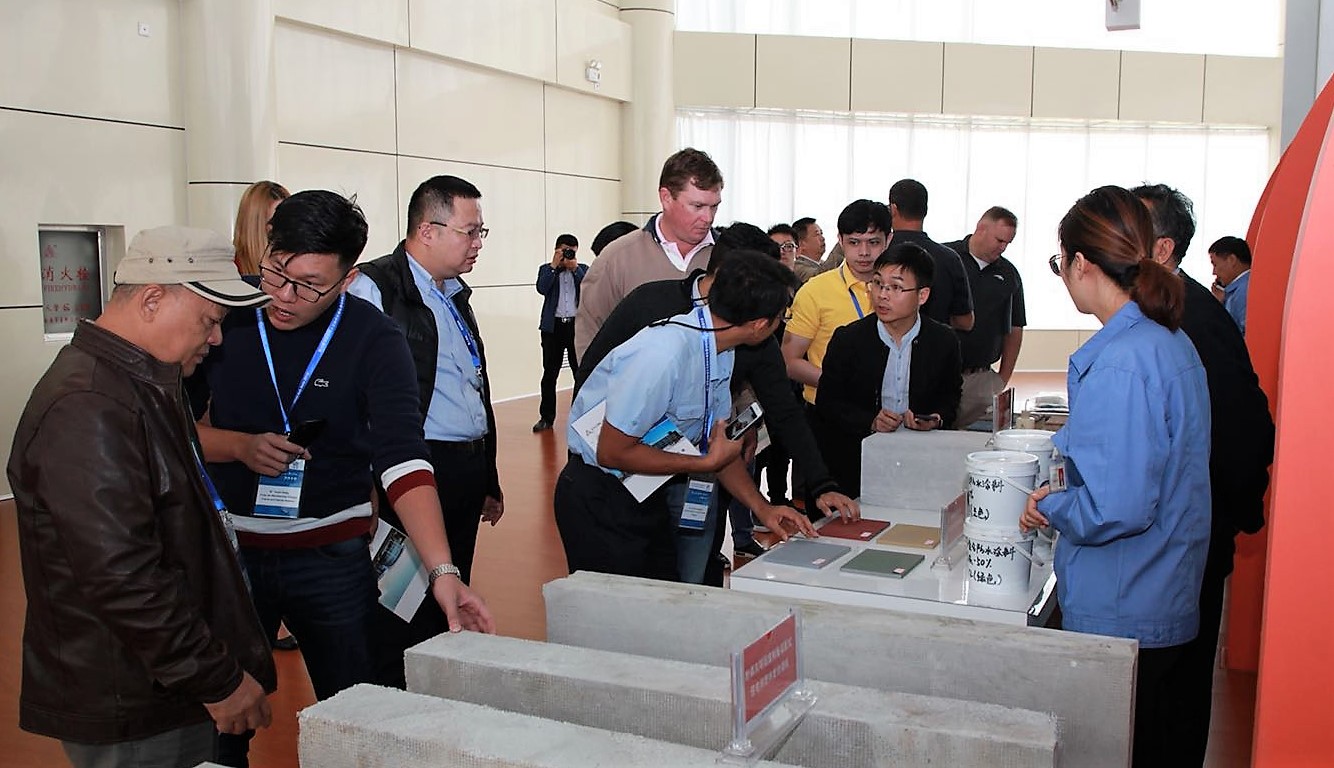
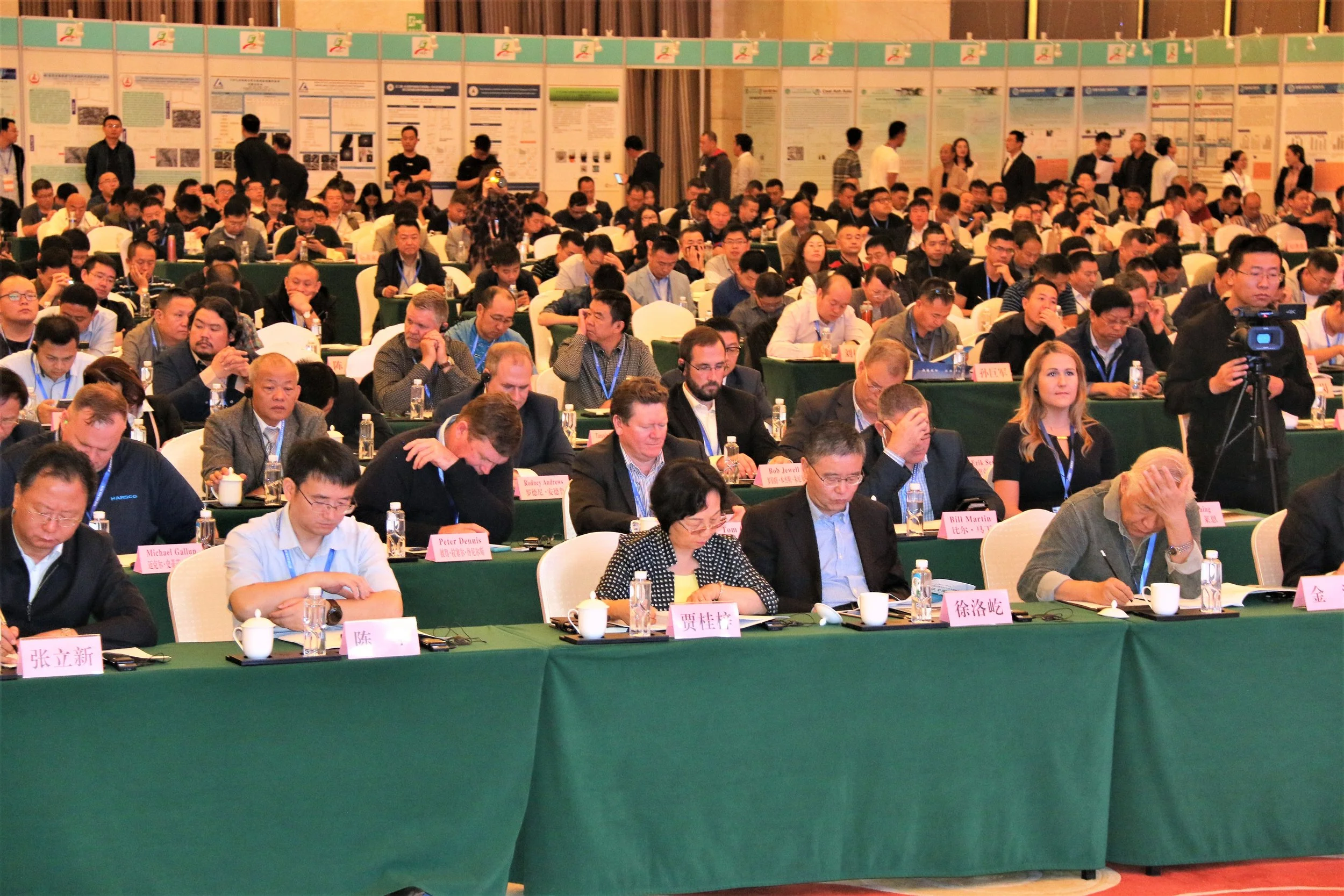
Want to Download the Conference program from CAA2018? You can find it on our CAA introduction page.
Take me thereAsianCAA members and network organisations will be attending the 2019 World of Coal Ash Conference and Exhibition in St. Louis, Missouri, May 13-16. WOCA is organized by or friends at the American Coal Ash Association (ACAA) and the University of Kentucky’s Center for Applied Energy Research (CAER). The 2019 conference is the 8th joint biennial meeting with a focus on the science, applications and sustainability of worldwide coal combustion products (CCP’s) as well as gasification products. The University of Kentucky Center for Applied Energy (CAER) explores technologies to improve the environment from energy efficiency. Researchers add to technically sound strategies related to fossil and renewable energy.
CAER follows multiple academic disciplines at their research centers, specializing in:
· Beneficiation, utilization, and conversion process technologies
· Fuel use
· By-products of coal combustion
· Engineered fuels
· Derivation of high added-value materials and chemicals
· Renewable energy such as biofuels and bioenergy, electrochemistry, solar energy and environmental remediation.
The CAER is proudly supported by UK, and is staffed by professional scientists and engineers. The Center has extensive interactions with faculty members and students, and provides analytical services for external commercial and academic organizations.
In order to extend access to industry leaders in Asia, anyone who registers through AsianCAA will save $200 on early bird registration (ends May 1st, 2019).
Please complete the following form for each attendee from your organisation, and we will process your registration. For any questions, please contact [email protected]
Register now Visit WOCA Website]]>
Shandong University is located in Jinan CIty, Shandong Province, in the eastern part of China.
Professor Wang Wen Long and the team at Shandong University’s National Engineering Laboratory for Coal-fired Pollutants Emission Reduction have focused on complimentary utilization, solid wastes and life cycle assessment in their latest research. The research pertaining to Sulfoaluminate cementitious material at was presented 2017’s Coal Ash Asia conference in Beijing, China. Below is the abstract from this paper.
Complementary Utilization of Red Mud, FGD Gypsum and Other Solid Wastes to Prepare Sulfoaluminate Cementitious Material
Abstract: In the utilization processes of single solid waste, some fundamental problems always exist, including small solid waste dose, high cost, poor performance and low added value of products, difficulties in market exploitation, etc. Professor Wang proposes complementary utilization of varied solid wastes. High-performance sulfoaluminate cementitious materials (SCM) were successfully prepared by using 100% industrial solid wastes (red mud, flue gas desulfurization gypsum, aluminum slag and carbide slag) in an industrial rotary kiln at 1300°C. The product performances reached as high as 39MPa ,57MPa and 76MPa for 1d, 3d and 28d compressive strength, respectively. Environment impact assessment was also conducted for this process based on life cycle theory. It was proven that using industrial solid wastes to prepare SCM could reduce total environmental burden by 38.62% compared to using conventional materials. This technological conception can promote the large-scale utilization of massive solid waste and boost green and circular development of society.
Shandong University will return at AsianCAA’s Coal Ash Asia 2018 in Shuozhou City, the fly ash utilization center of China. Click below to register for CAA2018 and network with global academic and industry leaders during 3 days of exhibitions, seminars, scenic and industry tours.
Register Now]]>The Asian Coal Ash Association, partnering with the Institute for Technical Information for the Building Materials Industry will host the 8th annual Coal Ash Asia conference this September 12-15. Coal Ash Asia consists of three days of oral presentations, trade and services exhibition, poster exhibition, scenic and industrial tours as well as multiple networking opportunities.
Shuozhou City produces approximately 8 million tons of fly ash and 1.8 million tons of gypsum each year, and disposes of nearly 5 million tons each year into landfill. Spreading over 145, 000 acres, China’s premier coal ash industrial park is located next to a large coal ash reservoir and is key in the country’s development of circular economy.
There are almost one hundred of coal ash based products in the park, including:
· Ultrafine Fly Ash,
· Fly Ash Based Flooring
· Fly Ash Based Furniture
· Ceramic Fiber Cotton
· Fly Ash Based Calcium Silicate Board
· Aluminum oxide and Hydrated silica
· Thistle board
· Autoclaved Fly Ash Brick,
· Autoclaved Aerated Concrete Blocks,
· Gypsum Based Dry Mix Mortar,
· Lightweight Wallboard
· Cement
· Concrete
· And more!
Want to download a copy of the Shuozhou Industrial Park? Enter your email below and we will email it to you (file size: 91MB)
Included in the guide is an overview of operations including the park’s R&D center, a collaborative effort of Peking University and the local Shuozhou government. With a combination of advanced technology, excellent equipment and innovative talents, the R&D center focuses on the development of new technologies and new products for enterprises within the industrial park. The Center has developed many new technologies and products including: Ceramic tiles and fiber cotton, foam ceramics, catalyst carriers, high strength fibers, wall materials, refractory and heat insulating materials.
This September, all attendees will have the chance to go on an in depth tour of the Shuozhou Industrial Park, and speak with park researchers, operators and managers. The delegates will be accompanied by a team of translators to assist with this exchange.
Want to learn more about participation at Coal Ash Asia 2018?
Aluminium and rare earth mineral extraction was a well-explored topic at AsianCAA’s latest Coal Ash Asia event, in Beijing, last July. Vice Professor Li Fang Fei, from JiLin University, shared her research pertaining to acid leaching in order to extract precious rare earth minerals. Jilin University is a key collaborator with the China Building Materials Academy (CBMA), and the Institute for Technical Information for the Building Materials Industry, our co-hosts of Coal Ash Asia. The university's chemistry department contributes essential research to the topic of waste utilization and management. Below is Professor Li Fang Fei’s abstract, discussing her latest research.
Abstract: Fly ash is the main solid waste of power plants. After combustion, the aluminum, rare earth and other valuable resources in the raw coal are further enriched in the fly ash. That makes the high Al2O3 content in the fly ash of Inner Mongolia region (up to 50 wt % ). Aluminum, iron, gallium, and other rare earth resources in fly ash could be extracted by acid leaching process. And followed by resin separation, enrichment leaching, and crystallized purification process, various valuable resources could be successfully separated and purified to an ideal level. Such leaching method is not only applicable to the high-active CFB fly ash, but also suitable for the OF fly ash whose amount is much larger than the former. In addition, the amount of acid leaching slag of fly ash is very small, which is composed of porous SiO2 with ideal purity and highly reactivity. Such "white mud" could be produced as building materials, artificial zeolites, inorganic fibers, catalyst carriers, and other useful products, which promotes the governance and comprehensive utilization of fly ash.
Jilin University will be returning contributors to Coal Ash Asia 2018. For more information, or to register, please follow the links below. If you would like to be sent an information package regarding our event, please input your email below.
Coal Ash Asia 2018 Register now!For more information on other papers from Professor Li Fang Fei, click below:
Learn More]]>Dr. Kevin Li (Gang Li), participated in CAA2017 on behalf of the Centre for Energy, School of Mechanical & Chemical Engineering at the University of Western Australia in Perth, Australia. Dr. Li, a returning speaker to Coal Ash Asia, focused his presentation on synthesizing zeolites and necessary related conditions. The below abstract is an overview of the research presented at the conference. For more of Dr. Li’s publications and research, please click the link at the bottom of the abstract.
Abstract: Coal fly ash is a hazardous industrial waste generated from coal combustion and has been considered as an appropriate raw material for zeolite synthesis. In this study, synthesis of a high-quality type A zeolites (471m /g surface area) from fly ash at high conversion rate (98.2% aluminium and 96.5% silicon) has been achieved via a two-step alkali fusion and hydrothermal procedure. Furthermore, in preparation for production in commercials scale, up scaling of the developed synthesis process has been undertaken by using 150L reactor. More importantly, we tracked the migration of elements and quantified their distribution from fly ash to product zeolites and waste water throughout the synthesis process. Metalloid elements including arsenic and selenium, and those with strong amphoteric properties such as molybdenum were found highly mobile and mostly collected in the waste water. In comparison, less than 20% of heavy metal elements of weak amphoteric nature including copper, chromium and lead originated from the fly ash went to the waste water; the rest of these three heavy metals along with almost all of the cadmium, iron and nickel were fixed into the product zeolites. Despite the accumulation of hazardous elements in product zeolites, none of them was leachable under various harsh conditions, ensuring safe applications of such zeolites.
More research from Dr.LiIf you are interested in attending Coal Ash Asia 2018 in Shuozhou, please click the "CAA2018" link to register, and our event team will assist you in finding the participation that's right for you.
CAA2018]]>Another successful workshop, organized by AsianCAA and hosted by our friends at ALCON (Anil Counto Enterprises) took place in Goa, India during the globally prestigious CoalTrans India conference.
The speaker, Mr. Bill Martin, is an experienced operations, sales and marketing executive with decades of experience in the construction materials industry. Bill’s expertise covers raw materials procurement, supply chain management, new business development and manufacturing operations in cement, masonry and concrete products.
Bill has held positions at the ADAA (Ash Development Association of Australia) and the Concrete Masonry Association of Australia.
A regular at the annual Asian Coal Ash Association’s Coal Ash Asia conferences, Bill and the team at CAS (Coal Ash Solutions) team offer complimentary introductions, translation and business matching to all international guests in attendance.
The Workshop:
Explored in “Fly Ash Use in Road and Embankment Construction” were some of the technical, environmental and operational requirements for achieving maximum benefits from fly ash in road and embankment construction.
In attendance at the workshop were ash managers, construction and engineering firms, government officials including the Department of Transport and the Ministry of Environment.
The group examined the many benefits of incorporating fly ash and bottom ash into Portland Cement/Concrete. Extensive research and countless highway and bridge construction projects have indisputably proven the following facts about the use of fly ash in construction:
1. Higher ultimate strength
2. Improved workability
3. Lowered costs
4. Reduced bleeding
5. Reduced heat of hydration
6. Reduced permeability
7. Increased sulfate attack resistance
8. Increased resistance to ASR
9. Reduced shrinkage
10. Increased durability.
AsianCAA hosts and organizes multiple workshops and conferences throughout the year. To find out more about our next event, enter your email below and we will send you more information.
]]>Asian Coal Ash Association Chairman, Mr. David Harris, and fellow AsianCAA members will be in attendance at this year’s CoalTrans India conference this February 12-14, 2018 at the Hyatt Goa in Goa, India.
Mr. Harris will host a panel on international ash trade during the conference that will be attended by the conference's over 600 guests, from India and around the world. Attendees will review and exchange knowledge surrounding domestic production and competitive green alternatives. India’s Coal sector has been under scrutiny and vast reform for many years and is confronting an era of change.
For more information on Coaltrans India 2018 or information on upcoming Asian Coal Ash Association hosted or supported events, please click the links below.
Coaltrans 2018 Upcoming Events]]>AAC materials can either be used instead of or to repair common building materials. Application can be seen in most real estate areas including residential, industrial and commercial. However, the majority of the AAC market has been residential since its inception, and continuing throughout 2017 with a third of the overall market. The product types of autoclaved aerated concrete are distributed into tiles, panels, blocks, lintels and others.
The growing market is propelled by elements such as the increased importance of utilizing green building materials, the use of recycled materials themselves (fly ash, etc), and its superiority to commonly used materials for the same purpose.
Currently, limited adoption is due to high start up costs associated with AAC, and because manufacturing facilities are not yet commonplace, resourcing and logistics becomes problematic.
As adaptation grows however, and infrastructure is set in place, the forecast for AAC paneling is projected to grow almost 8% in the next 5 years.
Globally, Europe has lead in market consumption. However, the Asia Pacific region, including countries like China, Thailand, Malaysia, Singapore and Indonesia are expected to increase consumption by over 10%, also within the next 5 years.
Opportunities in the AAC market are real as there is strong interest in China, India and other densely populated regions who would benefit from disaster resistant structures made from coal combustion products (CCPs).
To read more about autoclaved aerated concrete construction, trends, and forecasts for investment and integration, please read Orbis Research’s report: Global Autoclaved Aerated Concrete (AAC) Market-Segmented by Type, Application (Construction), and Geography-Trends and Forecasts (2017-2022). Follow the link in the text for more information.
To learn more about global trends and research on AAC and CCPs, join us at Coal Ash Asia 2018.
]]>